
A failing septic system rarely breaks overnight. It usually gives warnings for weeks or months: drains that slow down, a smell that comes and goes, a patch of grass that stays wet. Catching those signs early can be the difference between a routine pump-out and replacing a drainfield.
Key points
- The most common signs are slow drains, gurgling pipes, sewage odors, soggy ground and unusually green grass over the drainfield.
- Sewage backing up into the house is an emergency: stop using water and call a septic professional.
- Many problems start with a tank that has not been pumped or with more water than the drainfield can absorb.
- A failing system can contaminate well water and nearby streams, so do not ignore it.
9 warning signs of septic trouble
1. Slow drains throughout the house
One slow sink is usually a local clog. When several fixtures drain slowly at the same time, especially the lowest ones in the house, the problem is more likely the main line, the tank or the drainfield.
2. Gurgling sounds in pipes or toilets
Gurgling when you flush or drain water means air is being pushed through the plumbing because liquid cannot flow out freely. It often shows up before a backup.
3. Sewage backing up into the house
Wastewater coming up in the lowest drains, bathtubs, showers or floor drains is the clearest sign of failure. Stop using water right away and call a septic professional. Avoid contact with the water; it is untreated sewage.
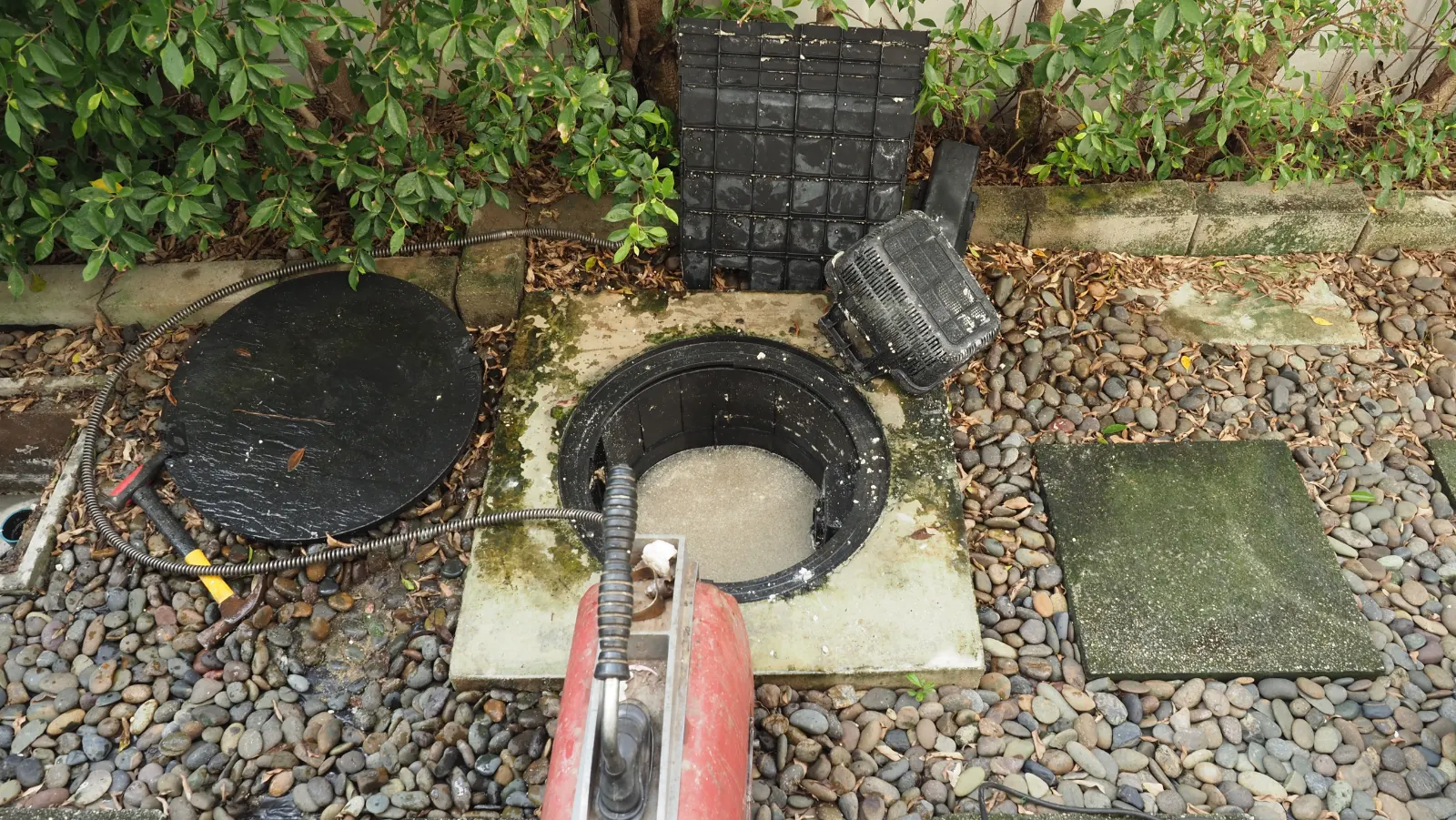
4. Bad odors inside or outside
A sewage smell near the tank, over the drainfield or coming from drains can mean the tank is full, a lid or riser is not sealed, or effluent is reaching the surface.
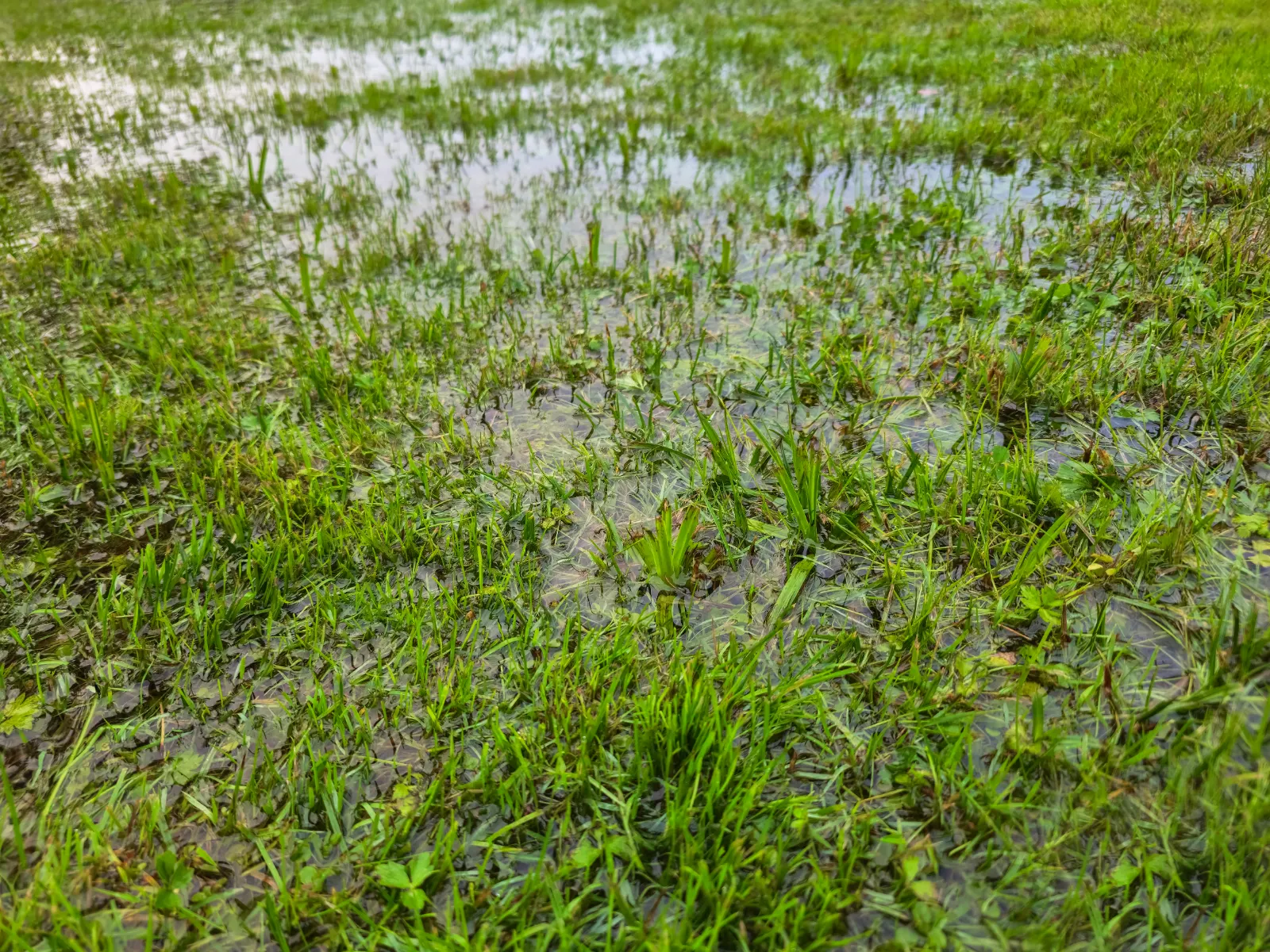
5. Soggy ground or standing water over the drainfield
Wet, spongy spots or puddles over the drainfield when it has not rained are a strong sign that the soil cannot absorb the effluent anymore. Ohio State University Extension lists soft, smelly spots in the yard among the most obvious signs of a malfunctioning system.
6. Grass that is greener than the rest of the lawn
A strip of bright green, fast-growing grass over the drainfield, especially in dry weather, can mean effluent is rising too close to the surface and fertilizing it.
7. Toilets that do not flush properly
Weak flushes or toilets that fill up before they drain point to a blockage between the house and the tank, or a tank that is too full.
8. Bacteria or nitrates in your well water
If you have a private well and a water test shows coliform bacteria or rising nitrate levels, a nearby septic system could be the source. A failing system can contaminate well water and nearby lakes and streams.
9. Algae in a nearby pond or stream
Excess nutrients from untreated wastewater can feed algae blooms in nearby water. It is not proof on its own, but combined with other signs it is worth checking.
Why septic systems fail
- Too much water. Using more water than the soil can absorb is one of the most common causes. Leaks, back-to-back laundry loads and roof drains aimed at the drainfield all add up.
- No pumping. When sludge and scum build up, solids escape into the drainfield and clog the soil.
- The wrong things down the drain. Grease, wipes and chemicals add solids and kill helpful bacteria. See what not to flush.
- Physical damage. Vehicles, construction or tree roots can crush or block pipes.
- Design or age. A system that was too small for the household, installed in unsuitable soil or simply old can reach the end of its life.
What to do if you see these signs
- Cut back on water use right away: postpone laundry, take shorter showers and fix any leaks.
- Keep people and pets away from wet or smelly areas in the yard.
- Call a licensed septic professional to inspect the tank and drainfield. Tell them which signs you noticed and when.
- Have the tank pumped if it is due or overfull. Here is what septic pumping typically costs.
- If you have a well, have the water tested for bacteria and nitrates.
- Contact your county health department if sewage is reaching the surface. Most areas require repairs to be permitted.
Do not try to fix a failing drainfield yourself or pour additives into the tank hoping it will recover. A professional diagnosis will tell you whether the problem is a simple clog, a full tank or a drainfield that needs repair.
Frequently asked questions
Can a failing drainfield recover on its own?
Sometimes a drainfield that is only overloaded can improve if water use drops and the tank is pumped. A drainfield clogged by solids or built in unsuitable soil usually needs repair or replacement.
Is a smell near the tank always a problem?
A faint smell right after pumping or near a roof vent can be normal. A persistent sewage odor in the yard or house is not and should be checked.
Related guides
Sources
- Ohio State University Extension: Why Do Septic Systems Malfunction?
- Clemson HGIC: Be Septic Safe: Septic Failures
- Virginia Cooperative Extension: What Happens If My Septic System Fails?
- Oregon State University Extension: Why Do Septic Systems Fail?
- U.S. EPA: How Your Septic System Works
This guide is general information for homeowners. Sewage is a health hazard: if it is reaching the surface or backing up into your home, contact a licensed professional and your local health department.