
Pumping is the most important routine cost of owning a septic system, and the cheapest insurance against a drainfield replacement. Here is what homeowners typically pay, what changes the price and how to avoid paying more than you need to.
Key points
- Most homeowners pay roughly $300 to $600 to pump a residential septic tank, with national averages a little above $400.
- Tank size is the biggest factor: a 1,000-gallon tank usually costs less than a 1,500-gallon one.
- Hard-to-reach lids, emergency calls and extra services such as filter cleaning or inspections raise the bill.
- A typical household needs pumping every three to five years, so budget about $100 to $200 per year.
Average cost to pump a septic tank
Cost guides from home-services companies put the national average for a standard pump-out between about $420 and $430. HomeAdvisor reports an average of $426, with most homeowners paying between $291 and $561. Angi reports a similar average of $423 but a wider full range, from about $200 for very small tanks to more than $1,200 for large or difficult jobs.
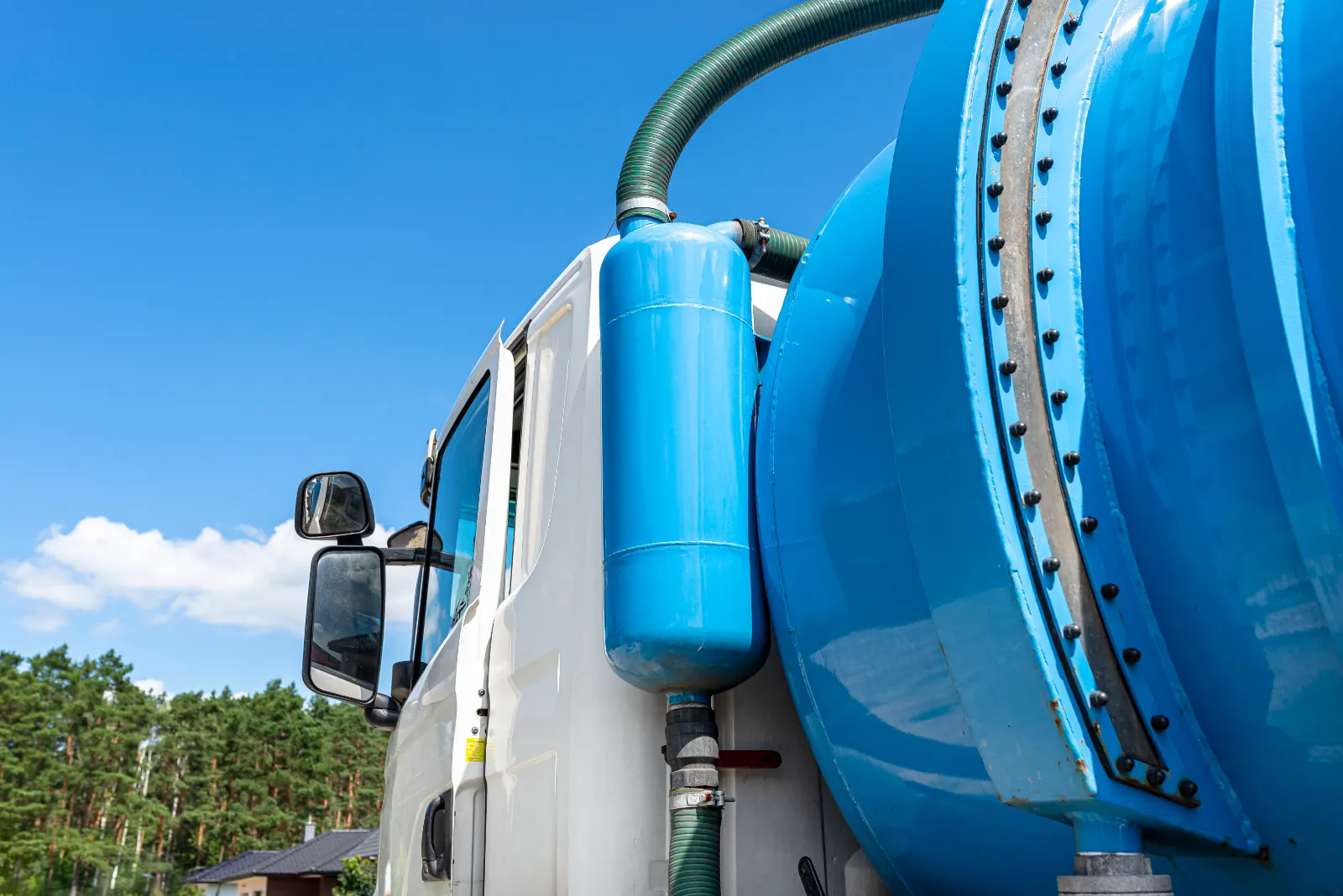
Cost by tank size
Most homes have tanks between 1,000 and 1,500 gallons. Companies charge by the job or by the gallon, so bigger tanks cost more. These are typical ranges reported by Angi:
| Tank size | Typical cost | Common for |
|---|---|---|
| 750 gallons | $250 to $550 | Older or small homes, 1 to 2 bedrooms |
| 1,000 gallons | $325 to $700 | About 3 bedrooms |
| 1,250 gallons | $375 to $900 | About 4 bedrooms |
| 1,500 gallons | $450 to $1,100 | Larger homes, 5 or more bedrooms |
Prices vary a lot by region and change over time. Use these ranges to judge whether a quote is reasonable, and always compare at least two local companies.
What affects the price
- Tank size and number of compartments. More gallons and more chambers mean more time and disposal fees.
- Access. If the lids are buried, the crew has to dig them up, which adds labor. Installing risers that bring the lids to ground level can pay for itself after a few pump-outs.
- Distance and location. Rural properties far from the company or the treatment plant often pay a trip charge. Local disposal fees also vary.
- How long since the last pumping. A tank with years of compacted sludge takes longer to clean.
- Emergency or weekend service. A backup on a Sunday costs more than a scheduled weekday visit.
- Extra services. Cleaning the effluent filter, inspecting baffles, a camera inspection of lines or a full inspection for a home sale are often billed separately.
Pumping vs. inspection vs. repair
Pumping removes sludge and scum from the tank. An inspection checks the condition of the tank, baffles, filter, pumps and drainfield, and is often done at the same visit. The EPA recommends an inspection at least every three years for an average household system and about once a year for systems with pumps, float switches or other mechanical parts.
Repairs are where costs jump. Angi reports that septic repairs average about $1,830 and can range from $165 to $6,500, and replacing a failed drainfield can cost much more. That is the real reason regular pumping is worth it.
How often you need it
The EPA recommends pumping a typical household tank every three to five years. The right interval for your home depends on the tank size, the number of people in the house, how much water you use and whether you use a garbage disposal. Your inspector can measure the sludge and scum layers and tell you when it is due.
How to save money on septic pumping
- Schedule pumping before there is a problem. Emergency calls cost more.
- Ask for pumping and inspection in the same visit.
- Install risers if your lids are buried.
- Know where your tank is. Your county health department may have the permit drawing, which saves digging time.
- Reduce solids: limit the garbage disposal and keep grease and wipes out of the drains. See what not to flush.
- Get two or three written quotes that list tank size, disposal fees and any extra charges.
Questions to ask before you hire
- Is the company licensed and insured where you live?
- Is the price per job or per gallon, and does it include disposal fees?
- Is digging up the lids included?
- Will they pump through the main access opening and check the baffles and filter?
- Will you get a written report with the date, gallons pumped and the condition of the tank?
Not sure how your system works or why pumping matters? Start with how a septic system works, and keep an eye out for the warning signs of a failing septic system.
Related guides
- Septic inspection cost and what the inspector checks
- Septic system replacement cost
- What size septic tank do I need?
Sources
- HomeAdvisor: Septic Tank Pumping Cost
- Angi: How Much Does It Cost to Pump a Septic Tank?
- U.S. EPA: How to Care for Your Septic System
Prices are national estimates collected in November 2026 and are not quotes. Septic Tips does not sell or install systems and is not paid by any service company.